Philosophies & Methodologies
How I think.
The operating system behind the work.
The frameworks and philosophies on this page are not abstractions. They emerged from real work in real organizations — from watching well-intentioned projects fail because they got the structure wrong, and from understanding why the ones that worked actually worked.
How I Think About AI
AI is infrastructure. It is not magic, it is not a threat, and it is not a shortcut to competence you don't have. It is a tool with genuine capabilities and genuine limits, and like all infrastructure, it performs exactly as well as the layer underneath it.
The organizations failing at AI adoption are not failing because the models aren't good enough. They are failing because the knowledge layer feeding those models was never designed for machine retrieval. They are failing because the people using the tools don't have a mental model for how to get useful outputs. They are failing because someone deployed a technology before designing the system around it.
I do not hype AI. I do not dismiss it. I work with it the way I work with any other infrastructure decision: understand what it actually does, understand what it requires, and design the system so it works reliably over time — not just on the demo day.
Human-in-the-Loop Systems
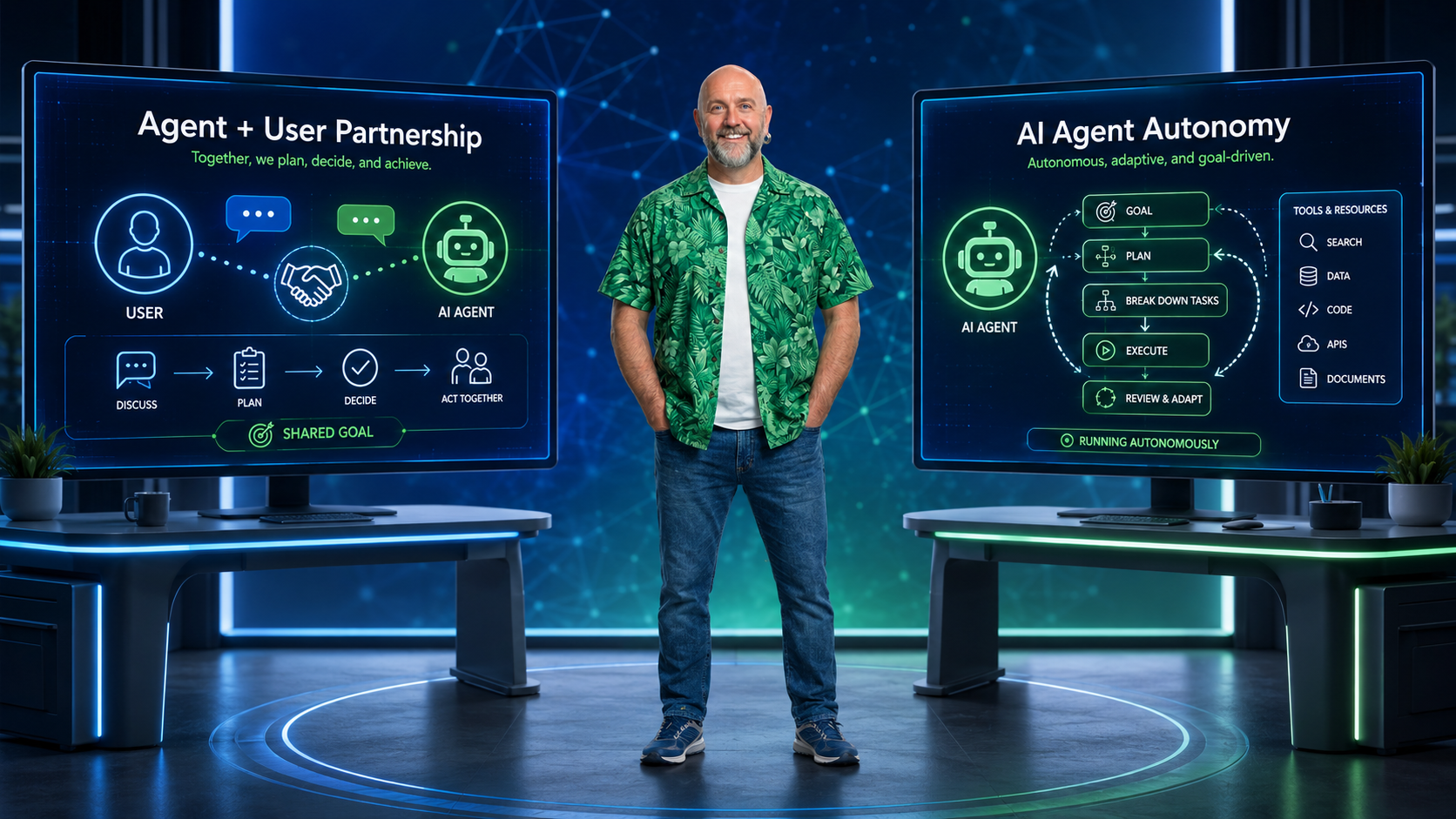
The most useful AI systems are not the ones that replace human judgment. They are the ones that position human judgment exactly where it belongs — and remove it from the decisions that don't need it.
Most organizations get this backwards. They try to automate everything they can and keep humans in the loop everywhere the automation fails. That produces systems that are unpredictable and hard to trust.
The better approach starts with the question: where does human judgment genuinely add value in this workflow? Where does it introduce error, inconsistency, or delay that it doesn't need to? Then you build accordingly.
This is the operating philosophy behind Human Layer Systems. The name is intentional: the human layer matters. Not because humans are better than machines at everything, but because the decisions that require human judgment are exactly the ones that determine whether everything else is trustworthy.
Knowledge Architecture
Most organizations treat knowledge as a writing problem. They hire people to write documentation, produce content, and maintain repositories — and then wonder why the knowledge doesn't stick, why AI tools retrieve the wrong answers, and why every organizational change forces a content rebuild.
The problem is almost never the writing. It is the absence of architecture: no content model, no taxonomy, no governance layer, no structure that tells the organization how knowledge should be created, connected, updated, and retired.
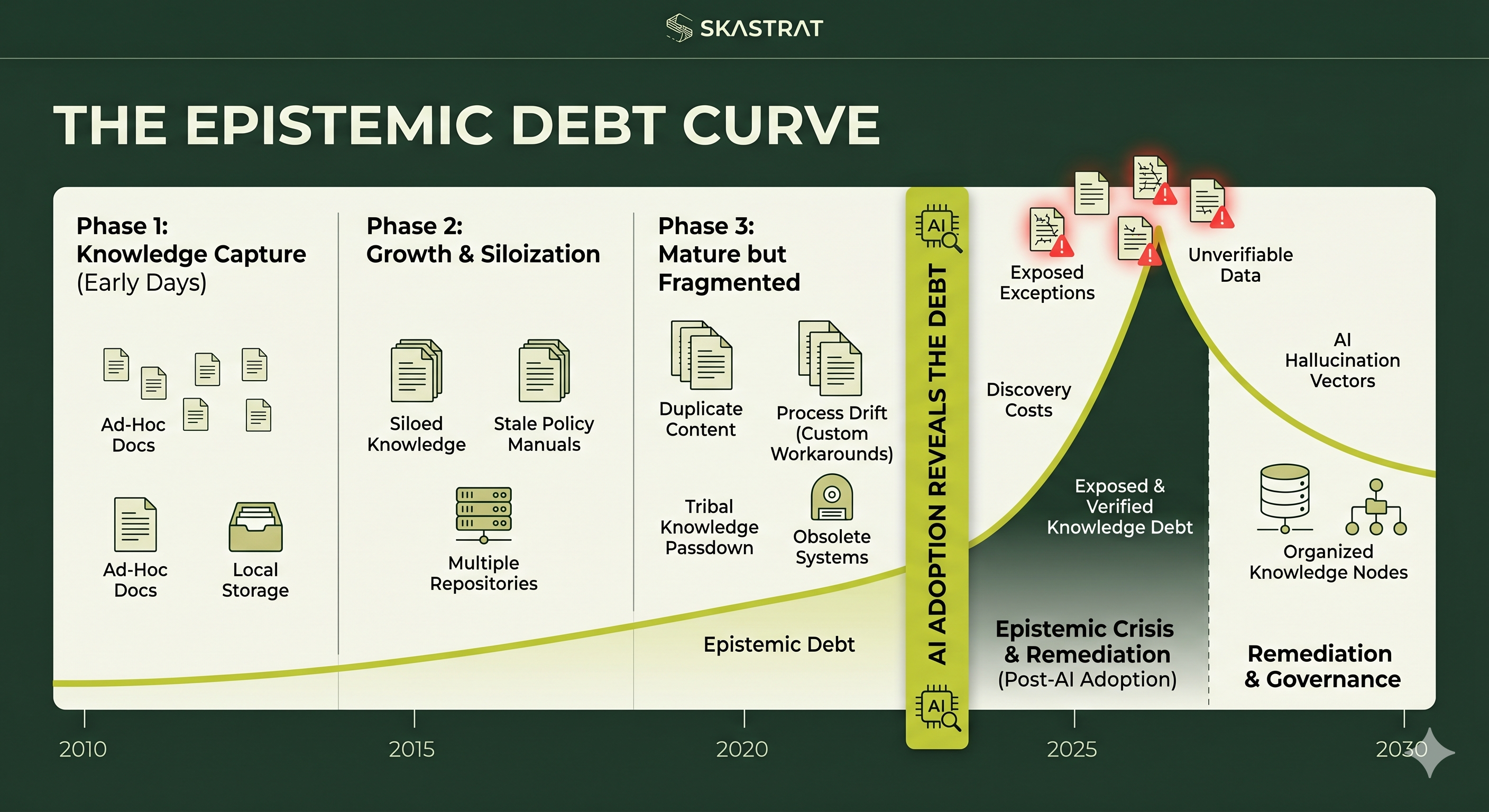
Architecture is what makes knowledge compound. Without it, every content effort starts from zero. With it, new content builds on what already exists, contradictions surface automatically rather than silently, and the knowledge base grows more reliable rather than more chaotic with time.
I developed the Stateless Knowledge Architecture (SKA) framework to formalize this philosophy into a working design system — 28 sections covering content typing, taxonomy design, metadata schema, governance architecture, AI readiness, and lifecycle management.
Operational Clarity
Documentation is not administrative overhead. It is operational truth — the difference between an organization that runs on shared understanding and one that runs on individual memory.
When documentation is inconsistent, employees don't trust it and revert to asking colleagues. When it is incomplete, decisions get made with incomplete information. When it is outdated, compliance risk accumulates invisibly until it surfaces at the worst possible moment.
Operational clarity is what you get when the documentation actually reflects how things work — when the policy document and the actual practice are the same document, when the process guide is written for the person doing the work under pressure, not for the auditor reviewing it after the fact.
Getting to operational clarity requires a structural approach: starting with what people actually need to know, designing content types that match how information is actually used, and building governance that keeps the documentation honest rather than just complete.
Content as Infrastructure
Content is not a deliverable. It is a layer — a persistent, structured, governed layer that either supports the organization or fails it, regardless of whether anyone is paying attention to it.
Organizations that treat content as a series of deliverables produce documents. Organizations that treat content as infrastructure produce systems. The difference becomes visible when the organization changes, scales, or tries to make AI work reliably.
Infrastructure thinking means designing for reuse from the beginning. It means building content that is independent enough to survive a system migration and structured enough to be assembled differently for different audiences without being rewritten. It means thinking about content lifecycle, not just content creation.
This is why I start with architecture before anyone writes a word. The content that follows is better, faster to produce, more durable, and more useful to the machines that will eventually read it — because the structure was right before the writing began.
Human Layer Systems
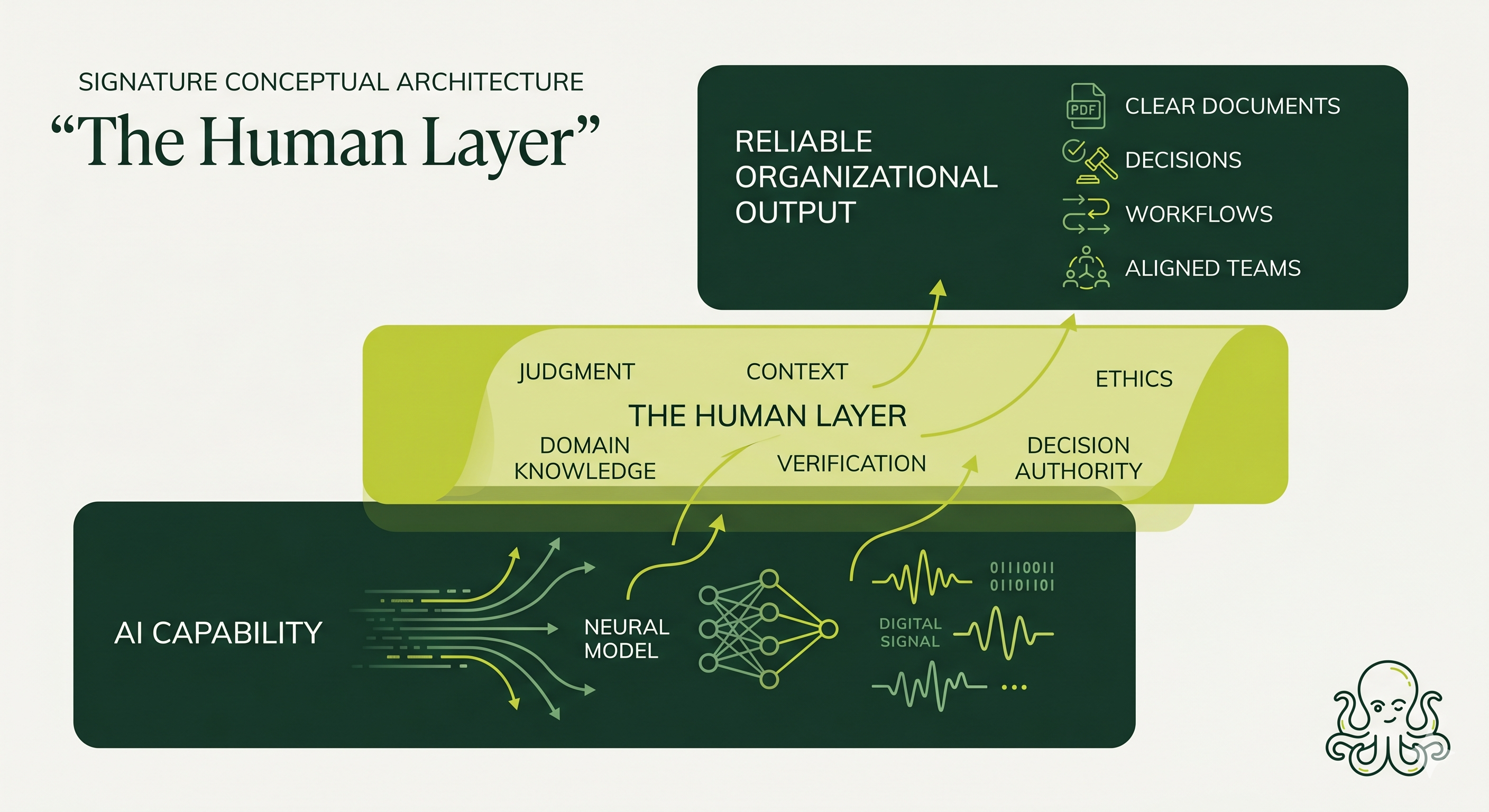
Human Layer Systems is the consulting and AI fluency practice I founded to bring this philosophy directly to clients. The work spans enterprise knowledge architecture engagements, AI readiness consulting, and the Clarity Sessions monthly advisory program for individuals and small teams.
The name reflects the core conviction: the human layer — the judgment, context, and accountability that only humans bring — is not an obstacle to AI adoption. It is the thing that makes AI systems trustworthy, useful, and safe to operate at scale.
Everything at Human Layer Systems is designed to strengthen the human layer, not circumvent it: knowledge systems that reduce the cognitive load of finding the right answer, AI fluency programs that develop real judgment rather than surface-level prompt tricks, and governance models that encode human accountability into the architecture rather than bolting it on after deployment.
AI Fluency vs. AI Hype
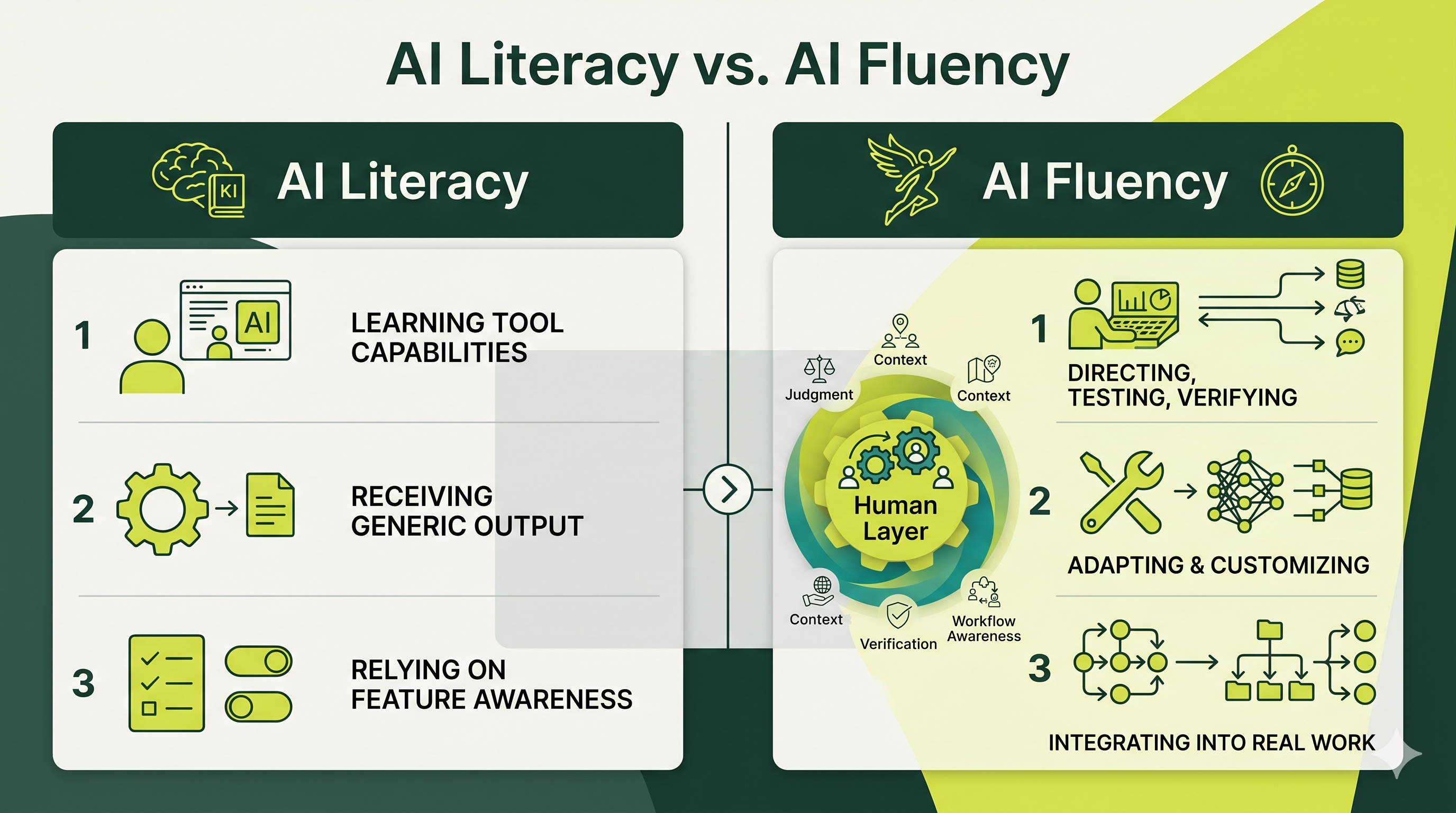
AI fluency is the ability to understand what AI tools actually do, recognize where they add genuine value in your specific work, and use them in ways that produce reliable and trustworthy outputs. It is a skill, not a feature.
AI hype is the marketing layer on top of that — the claims that go beyond what the tools actually deliver, the adoption metrics that measure logins rather than outcomes, and the organizational incentives that reward appearing to use AI rather than actually integrating it into work that matters.
The Crawl / Walk / Run / Fly framework I developed for AI fluency programs exists because of this distinction. Crawl is learning the tool. Walk is applying it to real work. Run is integrating it into workflows. Fly is building systems that compound the value over time. Most "AI training" stops at Crawl. Fluency starts at Walk.
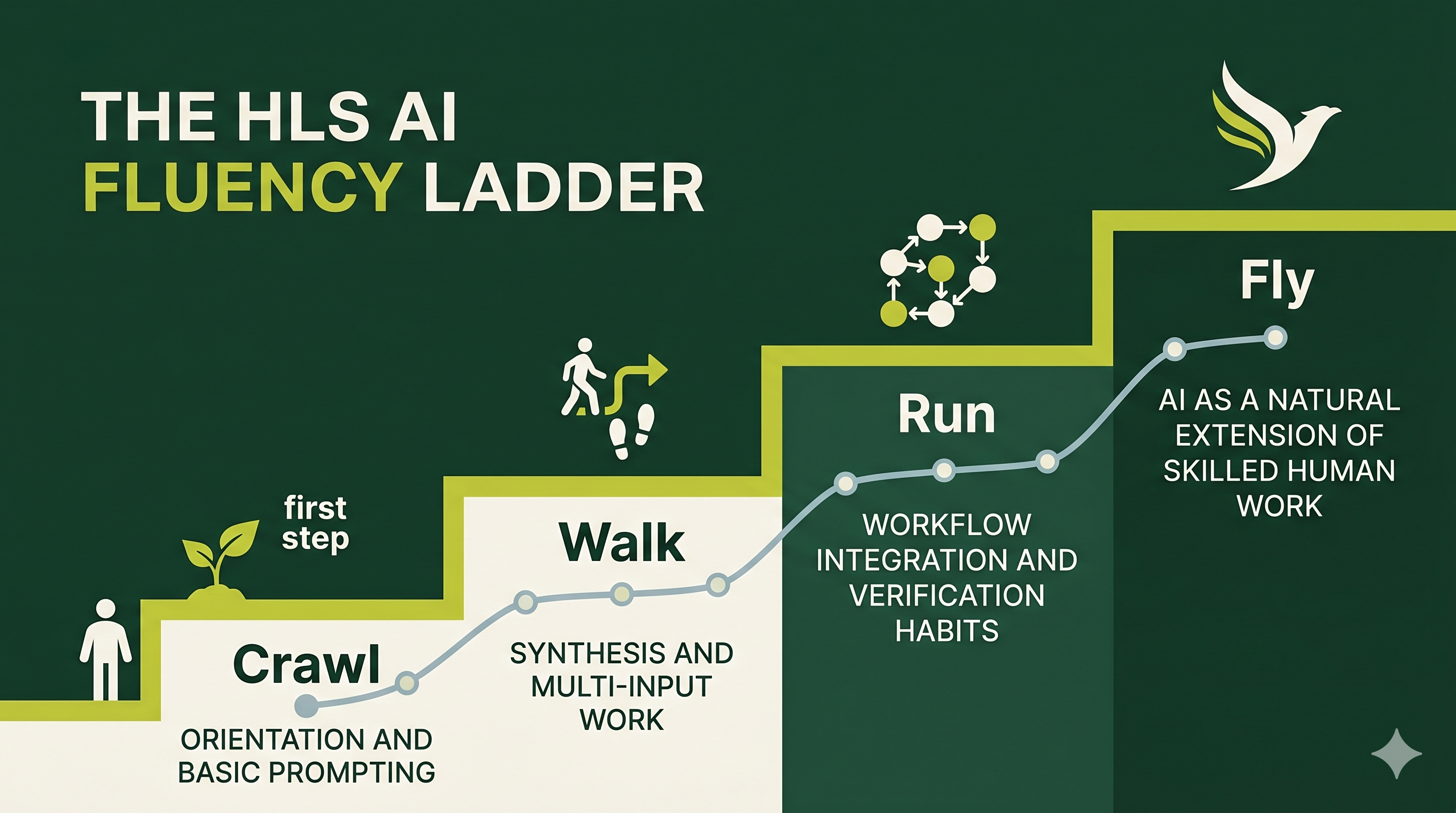
I am interested in helping people get to Walk, Run, and Fly — not in adding another AI badge to a learning platform that no one opened twice.
Leadership, Trust, and Change
Organizational change fails more often than it succeeds, and usually for the same reason: the structural change was designed, but the human change was assumed.
New knowledge systems, new governance frameworks, new AI tools — none of these work if the people who are supposed to use them don't trust them, don't understand them, or don't have the authority to make the decisions the new system requires.
Trust is not a soft outcome. It is an architectural requirement. A knowledge system that employees don't trust becomes a knowledge system that employees don't use. An AI tool that produces outputs people can't verify becomes an AI tool that people route around.
This is why my engagements are built around leave-behind thinking: the goal is always for the client organization to be more capable and self-sufficient at the end of the engagement than at the beginning. Not more dependent on me. Not more convinced that the system I built is the only way. More able to make good decisions about their own knowledge infrastructure, with or without my involvement.
Selected Essays & Long-Form Writing
Extended writing on knowledge systems, AI fluency, and organizational change. Some of these are published as writing samples; others are longer-form pieces that will be brought into this site directly over time.
Stateless Knowledge Architecture — Full Framework
A 28-section technical reference for designing enterprise knowledge systems as composable, typed, independently governed content fragments. Published as a professional resource for knowledge architects and enterprise AI teams.
Stateless Content Architecture Overview
The case for modular, context-independent content fragments — what they are, why they outperform page-based authoring, and how dynamic assembly works across multiple user experiences without duplication.
What AI-Ready Data Means
A layered explanation designed so a technical architect and a non-technical stakeholder can read the same document and leave with what they actually need.
More Writing →
Browse the full writing samples collection for additional technical writing, process documentation, executive communication, and content architecture samples.